Friday, June 25, 2021

How Long Should My Water Heater Last?
How Long Should My Water Heater Last?

Water Heater Replacement Plumbers

Image Credit: bhiservice.com

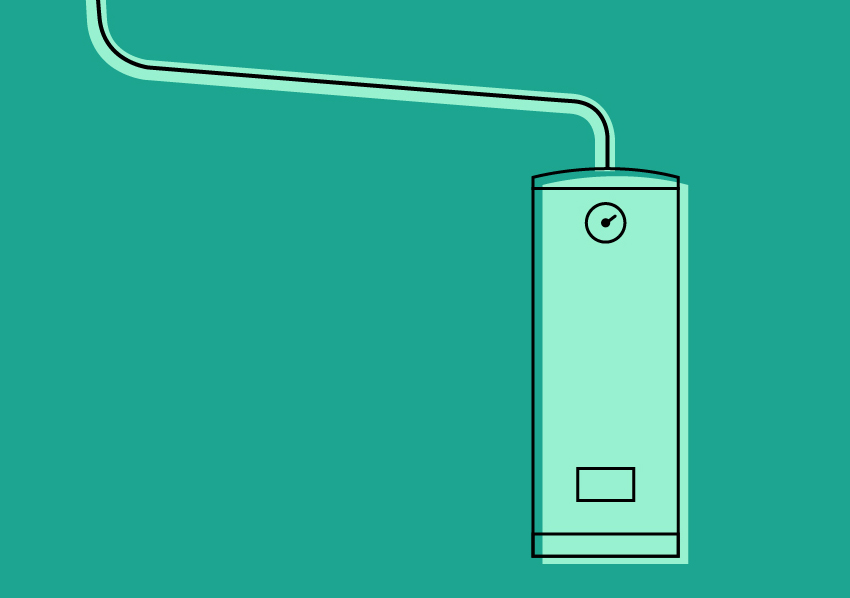
Your water heater is one of the most important features of your home. It’s what provides every water fixture in your home with hot water. Without it, you would be left taking cold showers every morning and having no hot water to wash your dishes or clothes. Like everything else in your home, a water heater isn’t designed to last forever. So, just how long should you expect it to last?

The Type of Water Heater You Have Plays a Huge Role

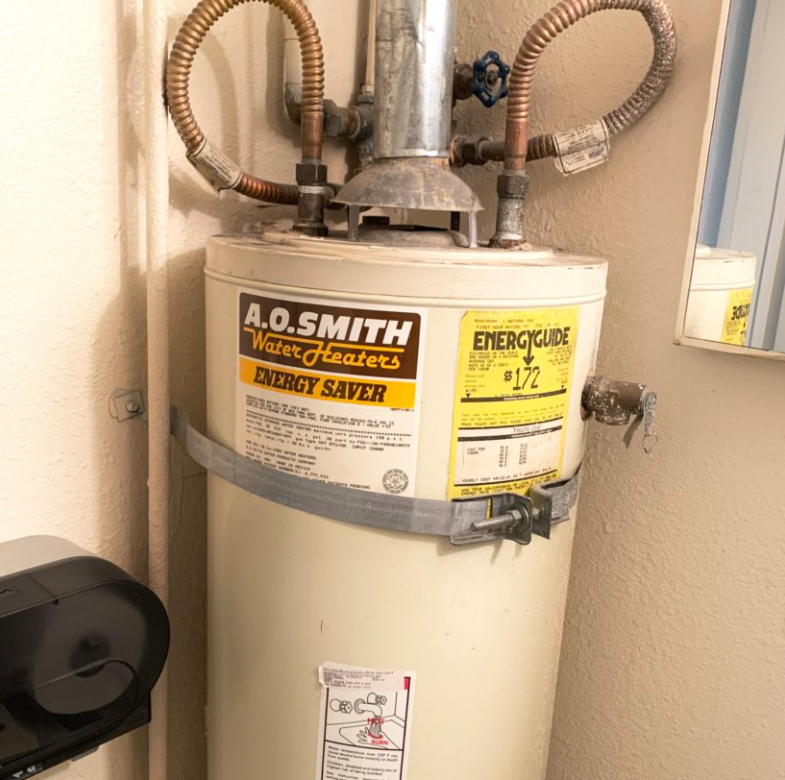
Different types of water heaters have different expected lifespans. Traditional tank-style water heaters are generally expected to last around ten years. Tank water heaters are available as gas or electric. Gas water heaters are seen as more environmentally-friendly, but they have more components that can wear out or break. Electric water heaters can typically last about a year or two longer than gas ones.

There are also what are known as tankless water heaters. These are water heaters that provide you with hot water on demand, rather than keeping a tank filled with hot water ready to go. These types of water heaters have an expected lifespan of about 20 years. They generally last longer because they are not running 24/7 to keep a tank of water hot.

What Affects the Lifespan of Your Water Heater?

While different types of water heaters have various life expectancies, several different factors can cause your water heater to wear out faster or fail. One factor is sediment buildup. This is an issue that affects tank-style water heaters. Over time, sediment can build up at the bottom of the tank and harden. When this happens, the water heater has to work harder to warm the water. As a result, components can begin to wear out more quickly. Periodically cleaning the tank can help to eliminate buildup and preserve the life of your water heater.

Too much water pressure can destroy your water heater. This issue happens when the water’s psi is higher than the specifications on the water heater. This can happen because the water is too hot or because there is too much pressure in the inlet. If extra pressure is not fixed or relieved, it can cause the tank to burst.

Your water heater might not last as long as expected due to its size. The size of the water heater you need depends upon several factors, including how many people you have in your home and how many water fixtures you have. If your water heater is too small to meet the needs of your family, it has to work continuously to provide your home with all of its hot water needs. When it works all of the time, there’s a much higher chance that it will wear out faster.

Signs You Should Replace Your Water Heater

So, how do you know that it’s time to replace your water heater? Its age is one good indication. If you have a tank style water heater that’s approaching ten years old or is over ten years old, it’s a good time to start looking into a new one. Age isn’t the only indication, though. You might need to consider replacing your water heater if you notice strange noises coming from the unit, your water is tinted or rusty, or you find water pooling around your water heater. You may also want to start considering a new water heater if your current one isn’t giving you the hot water you need anymore.

Final Thoughts

If your water heater is at the end of its life, it’s an excellent time to consider getting a replacement. With so many options, though, it can be hard to choose what’s best for your home. Contact your plumbing expert to discuss your options so that you can find a new water heater that suits the needs of our family.

A Word From W Smith Plumbing

If you are not sure where to start or just need to have a few questions so you can make an educated decision about what would be the best water heater for your family contact experienced water heater plumbers of W Smith Plumbing at (904) 669-2514 or fill out our free quote request form on this page.

Note: This article was written by Billy Henley of BHI Plumbing serving Corona, CA and was originally posted on bhiservice.com. To read original post click here.


Original post here: How Long Should My Water Heater Last?

Monday, May 17, 2021

Lower Your Electric Bill With Your Water Heater

Lower Your Electric Bill With Water Heater

Water Heater Plumbing Company

Image Credit: arcadia.com

Want to lower your electric bill? Start with your water heater!

The average home in the United States uses a lot of energy (10,972 kWh per year on average, to be exact). As a result, American homeowners spend $1,411 on energy and emit about five tons of carbon every year.

Anyone who cares about saving money or cutting their carbon footprint would be smart to look for ways to cut their home’s energy usage. And while it doesn’t sound glamorous, one of the best ways to do that is to replace your hot water heater.

If our water heaters were a country, their total emissions would be responsible for more greenhouse gas emissions than Belgium.

Why American hot water heaters use so much energy

Almost every American home has either a conventional gas or an electric hot water heater. Even though the first hot water heaters were invented more than 100 years ago, the design of the hot water heater in your laundry room or basement isn’t much different than the first models designed back in the late 1800s.

They work in a pretty straightforward way. Electricity or gas heats up a big metal tank full of water and then pumps it throughout your home. But here’s the problem: these water heaters have no way to predict when you’ll need hot water, so they heat water at every hour of the day. That means that even if you’re on vacation or asleep, your hot water heater is heating water.

As a result, the average American family spends $600 per year and emits about a ton of CO2 to heat up water that for the most part they won’t use. In fact, if our water heaters were a country, their total emissions would be responsible for more greenhouse gas emissions than the entire nation of Belgium.But, unlike many other environmental problems, the solution to this one is remarkably easy. And if you’re a homeowner, it’s largely in your control.

How other countries heat their water

If you’ve ever traveled to Europe, you may have noticed that their hot water heaters look different than the one in your house. Most European homes use tankless water heaters. They’re similar to conventional tanks in that they use electricity or gas to heat water, but instead of heating it at all hours of the day, they only heat it on-demand.

Unsurprisingly, these water heaters are a lot more efficient than conventional tanks. According to the National Resource Defense Council (NRDC), tankless models have about half the carbon footprint of conventional tanks.

Tankless water heaters are available in America. And compared to conventional tanks, they’re a lot better. But there’s an even more efficient option that’s become available in the last decade, and in many states the government will pay you as much as $750 to install it.

How heat pump (hybrid) water heaters work

For homeowners in America, the best bang for your energy-efficiency buck is the heat pump water heater (sometimes called a hybrid water heater).

Heat pump water heaters pull heat from the surrounding air to heat water, rather than relying on electricity or gas. In other words, they move energy instead of generating it. As researchers at the Department of Energy put it, “Heat pumps work like a refrigerator in reverse. While a refrigerator pulls heat from inside a box and dumps it into the surrounding room, a stand-alone air-source heat pump water heater pulls heat from the surrounding air and dumps it — at a higher temperature — into a tank to heat water.”

Today, most heat pump water heaters also include a back-up electric resistance heater in case the surrounding air temperature isn’t warm enough to use. That’s why they’re called hybrid heat pumps.

How hybrid water heaters cut costs and emissions

With the exception of solar water heaters (which cost between $3,000 and $10,000 in the US), heat pumps are the most energy-efficient water heaters available. That makes them the most eco-friendly, too. Their carbon footprint can be anywhere from two to four times lower than a conventional tank’s. That’s why environmental groups like the NRDC and the Rocky Mountain Institute love them.

Because heat pumps are so important to curbing climate change, the government will foot part of the bill. The federal government will give you a $300 tax credit for buying a heat pump. Some states, like Maine, will give you a $750 instant rebate. And many of the biggest utilities will give you a $500 rebate. Visit the Database of State Incentives for Renewables & Efficiency to find which rebates and incentives you qualify for.

Even without incentives, the best heat pump on the market will save the average family $4,800 over 10 years and cut their carbon footprint by four tons (the equivalent of going vegan for two years or cutting back on four international flights).

Anyone familiar with climate change knows that there are a lot of tricky problems to solve. We need to invent electric planes and cargo ships and figure out a way to make things like steel and aluminum with a lot less electricity. But some of the solutions — whether it’s switching your home’s power source to renewables or replacing your inefficient water heater — are a lot easier. And considering American homes emit as much carbon as most industrialized countries, those solutions can make a big difference.

NOTE: This article was written by Michael Thomas for the Blog at arcadia.com. Original article can be read here. Michael Thomas is the founder of Carbon Switch, a social enterprise that helps homeowners reduce their emissions and save money. His work has been featured in magazines like The Atlantic, FastCompany, and Quartz.

From W Smith Plumbing

If you are thinking about water heater replacement or new water heater installation in St. Augustine, FL then you really should consider getting a free water heater quote from W Smith Plumbing. Our plumbing technicians are very well versed in any water heater service you might need including water heater repair. Call our local office at (904) 669-2514 and schedule your free quote today. You can also fill out our request form on this page or visit our Water Heater Service page.


Original post here: Lower Your Electric Bill With Your Water Heater

Friday, April 30, 2021

How to Make the Switch: Gas vs Electric Water Heater

How to Make the Switch: Gas vs Electric Water Heater Image Credit: dayandnightair.com Most of us take hot water for granted. You probably don’t think twice about how you get hot water when you take a shower or wash your hands – until the hot water doesn’t come out of the faucet. When your water Read More

Original post here: How to Make the Switch: Gas vs Electric Water Heater

Tuesday, March 23, 2021

Tank vs. Tankless: Choosing the Right Water Heater

Tank vs. Tankless: Choosing the Right Water Heater Image Source: Contractormag.com Three questions to help determine the best water heater for your customers. No two families are the same, so their home’s water heater selection shouldn’t have to be either. Water heaters are far from one-size-fits-all and contractors can deliver value for each individual customer Read More

NOTE: Tank vs. Tankless: Choosing the Right Water Heater was reposted from www.WSmithPlumbing.com
Read original article: https://www.wsmithplumbing.com/tank-vs-tankless-choosing-the-right-water-heater/

Friday, February 12, 2021

The Pros and Cons of a Tankless Water Heater

The Pros & Cons of a Tankless Water Heater Your alarm went off late. Your spouse and the kids are up, and they’ve already showered. You’re the last one. You turn on the faucet and wait for it to heat up. And wait. And wait some more. There’s no hot water. Your morning isn’t off Read More

NOTE: The Pros and Cons of a Tankless Water Heater was reposted from www.WSmithPlumbing.com
Read original article: https://www.wsmithplumbing.com/the-pros-and-cons-of-a-tankless-water-heater/

Friday, October 23, 2020

How to Know If Your Water Heater Needs to be Repaired or Replaced

How to Know If Your Water Heater Needs to be Repaired or Replaced Having hot water on tap in our homes is a defining component of modern civilization, which has made the water heater an essential appliance. However, like all appliances, water heaters malfunction and wear out. When this happens, homeowners need to know whether Read More

NOTE: How to Know If Your Water Heater Needs to be Repaired or Replaced was reposted from www.WSmithPlumbing.com
Read original article: https://www.wsmithplumbing.com/how-to-know-if-your-water-heater-needs-to-be-repaired-or-replaced/

Tuesday, September 8, 2020

Water Heater Buying Guide

Water Heater Buying Guide The cost of heating water consumes almost 20 percent of your household budget, second only to what you spend on heating and cooling your home. Despite this expense, water heaters are typically ignored until they break, leaving you with no hot water and, possibly, a flooded basement. If your water heater Read More

NOTE: Water Heater Buying Guide was reposted from www.WSmithPlumbing.com
Read original article: https://www.wsmithplumbing.com/water-heater-buying-guide/